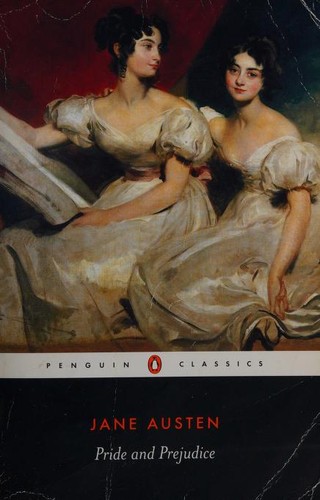
Remembered line·“It is a truth universally acknowledged…”
Pride and Prejudice
Jane Austen
Why it fits: The famous opening and its ironic voice are immediate signals; the surrounding social commentary confirms the source.
Book finder · trace a remembered line
Bring the words you remember—even if they are incomplete. Add who said them, where you saw them, or what was happening around the line.
Find a book from the details you remember
Book matches
A line is most useful when you can pair it with the speaker, scene, or feeling around it. These examples show how context narrows a remembered quote.
Remembered line·“It is a truth universally acknowledged…”
Jane Austen
Why it fits: The famous opening and its ironic voice are immediate signals; the surrounding social commentary confirms the source.
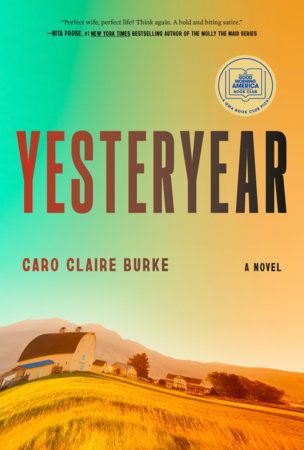
Remembered line·“A modern influencer wakes in 1855, facing a version of domestic life she once performed online.”
Caro Claire Burke
Why it fits: The collision between a contemporary tradwife persona and nineteenth-century reality is a distinctive contextual clue.
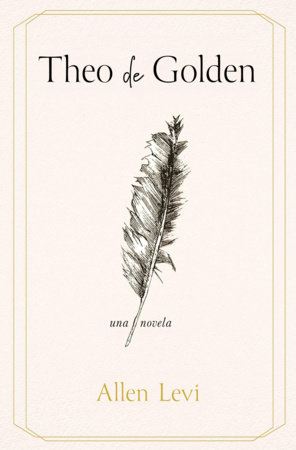
Remembered line·“A stranger's quiet kindness changes the small-town lives recorded in a café's portraits.”
Allen Levi
Why it fits: The café setting, portrait project, and Theo's understated generosity help separate this from similar warm-hearted fiction.
Search examples
A few trustworthy words matter most when you add who said them, what was happening, or where you encountered them.
“I remember the phrase 'truth universally acknowledged' from the opening of a novel. The narrator sounded witty and was talking about marriage.”
Why it works: An exact fragment plus voice and subject can identify a source much faster than the line alone.
“The quote may have said something like 'at the end of the lane'. It was from a childhood story with an eerie house and an adult remembering the past.”
Why it works: Flagging uncertain wording is helpful when the setting and narrative frame are more reliable.
“I saw a short quote in a classroom handout around 2015. It was spoken by a woman in a Victorian novel, possibly in a letter.”
Why it works: The format, approximate date, speaker, and period can rule out many otherwise similar lines.
Make a quote more searchable
Even two or three exact words can be useful, especially when they are unusual together.
Was it a narrator, a child, a detective, or a letter? The voice can narrow the field.
A novel, poem, textbook, adaptation, or social post can all change the search path.
How quote search works
Use quotation marks if you are confident, and mark any words you may have changed.
Who said it, where it appeared, and what happened nearby help distinguish similar lines.
Check a searchable edition, a preview, or a library copy before treating a match as certain.
Book quote finder FAQ
Often. Include every word you trust, plus the setting or situation around it.
That is common. Say which words are uncertain; a near match may still reveal the source.
Compare it with a searchable edition or a library copy and check that the speaker and scene match your memory.
Yes. A short phrase, unusual wording, or even a few memorable words can be enough, especially when you also add the speaker, scene, or genre.
Add who said the line, what was happening nearby, whether it came from a novel or poem, and where you saw it. That context helps the page separate similar quotes from different books.
Keep following the clues
A match is strongest when the wording, speaker, edition, and scene all agree.