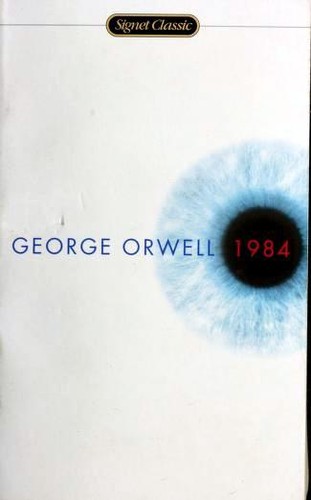
Remembered plot·“A man in a surveillance state secretly writes down thoughts that could destroy him.”
Nineteen Eighty-Four
George Orwell
Why it fits: Winston's forbidden diary and the constant pressure of Big Brother define the novel's conflict.
Book finder · follow the story
Retell the story in the order you remember it. The turning point, setting, and ending can be more useful than a perfect summary.
Find a book from the details you remember
Book matches
A plot becomes easier to recognize when its central change, stakes, and ending sit side by side. Here are three examples of that reasoning.
Remembered plot·“A man in a surveillance state secretly writes down thoughts that could destroy him.”
George Orwell
Why it fits: Winston's forbidden diary and the constant pressure of Big Brother define the novel's conflict.
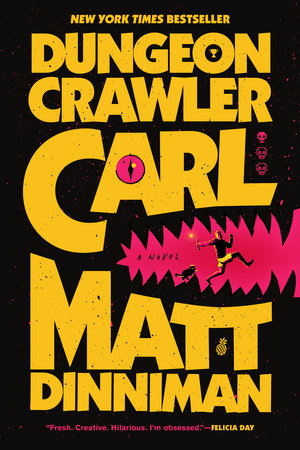
Remembered plot·“After an apocalypse, a man and his talking cat must survive a televised dungeon game.”
Matt Dinniman
Why it fits: The collapse of Earth, game-like levels, and Princess Donut make the plot unusually easy to distinguish.
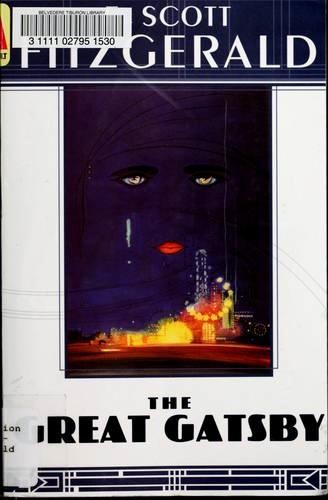
Remembered plot·“A mysterious millionaire throws parties while trying to reclaim a lost love across the bay.”
F. Scott Fitzgerald
Why it fits: Gatsby's lavish parties, Daisy, and the green light give this story a clear emotional and physical shape.
Search examples
You do not need a polished summary. The change, conflict, and ending fragment are usually the most useful parts.
“A boy in a controlled community was selected for a special role. During training, he began seeing colours and learning memories that no one else had.”
Why it works: The protagonist's assigned role and the unusual change in perception make the plot highly searchable.
“Two siblings travelled through a ruined future city to find their father. They had to avoid machines that hunted people after dark.”
Why it works: Who is travelling, what they want, the setting, and the threat give the story a clear structure.
“I remember a mystery where the detective solved the crime on a train. I think the ending revealed that several passengers were involved.”
Why it works: A spoiler or uncertain final reveal often distinguishes books that share the same opening.
Plot clues to include
Who are we with at the start, and what is normal before the story changes?
A discovery, journey, disappearance, secret, or new rule is often the most identifying event.
Describe the outcome, mood, or final image—even if you only remember part of it.
How plot search works
What happens that makes the story no longer ordinary? That is often the most searchable clue.
Add when and where it happens, who wants what, and what might be lost.
Even a vague ending can separate books with similar openings. Say if you are not sure.
Plot finder FAQ
Yes. An ending or twist can be one of the fastest ways to tell similar books apart.
Write every detail and flag the ones you doubt. A good search can test whether clues belong together.
Very much. Mention whether the book felt like fantasy, romance, mystery, science fiction, or something else.
Main plot beats are enough. If you remember the setup, the turning point, and part of the ending, this plot finder can already compare your story with likely matches.
Yes. The ending, reveal, or biggest story event is often the strongest clue on this page, especially when many books share a similar opening.
Keep following the clues
When the plot feels tangled, these guides help you separate reliable details from guesses.